
Table of Contents
If you’ve ever made homemade yogurt—especially thick, Greek-style—you’ve probably noticed a pale yellow liquid left behind after straining. That’s whey, and despite its unassuming appearance, it’s a nutritional powerhouse and a secret weapon in the kitchen.
Whey is the liquid that separates from milk during the yogurt-making (or cheese-making) process. It’s packed with protein, calcium, and beneficial enzymes. In traditional kitchens, nothing went to waste, and whey was no exception. It was prized for its versatility, used to enrich baked goods, feed sourdough starters, tenderize meats, and even nourish garden soil.
Today, whey still deserves a place in your kitchen. If you’re making yogurt at home, saving the leftover whey is a simple way to get more out of what you already have—stretching your efforts and reducing food waste in the process. Below are six practical, time-tested ways to use leftover whey.
How to Store Whey
Pour leftover whey into a clean, airtight container and refrigerate for up to two weeks. If you’re not using it right away, freeze it in smaller portions—ice cube trays work especially well—and transfer to a freezer-safe bag once solid. Frozen whey keeps for several months and can be thawed as needed.
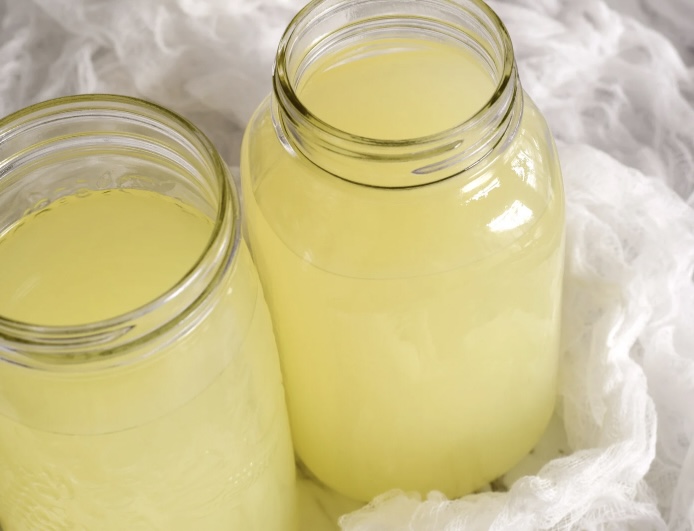
Here are the 6 best things you can do with your leftover whey!
1. Bake with it

Whey can be used as a substitute for water or milk in almost any baked good: think breads, muffins, pancakes, biscuits, or even pizza dough. The acidity in whey helps activate baking soda and tenderizes the dough, leading to softer textures and better rise. It also adds a subtle depth of flavor—slightly tangy, but not overpowering. In sourdough baking, whey can even help feed your starter or boost flavor in the final loaf.
Tip: Start by replacing about half the liquid in a recipe with whey to see how it affects the flavor and texture.
2. Add to smoothies

Whey is naturally high in protein and contains electrolytes like potassium and magnesium, making it an excellent addition to post-workout smoothies or breakfast blends. Its mild tang complements fruits like berries, bananas, or citrus, and it blends easily without any grittiness.
Bonus: If you’re used to buying protein powders, using whey from homemade yogurt is a free, whole-food alternative that helps cut down on processed supplements.
3. Cook grains
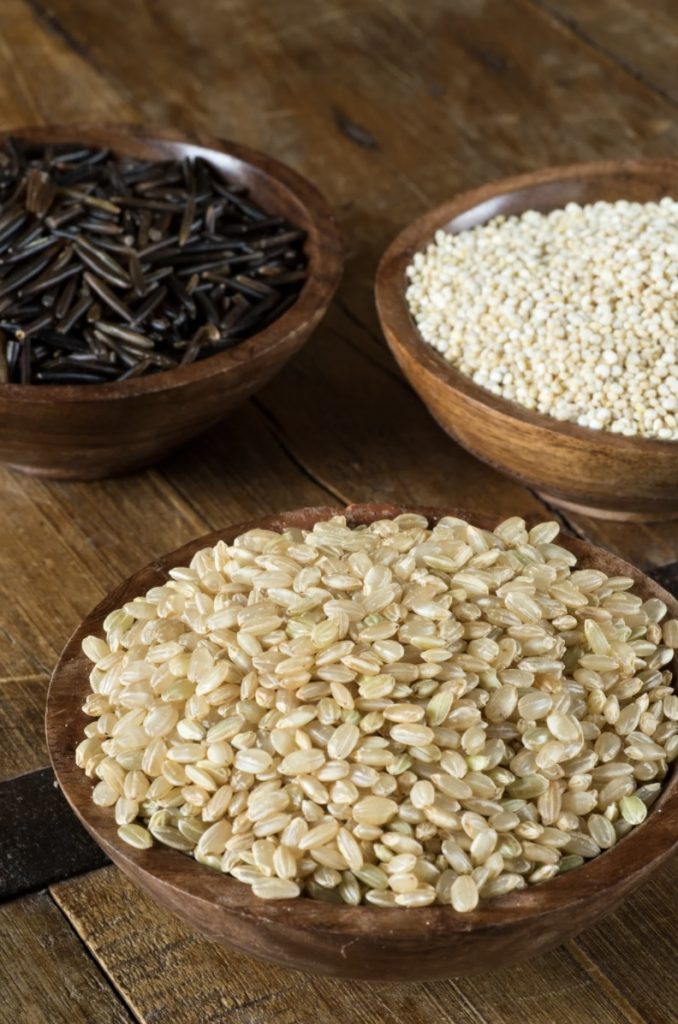
Using whey instead of water to cook rice, quinoa, farro, oats, or polenta adds both nutrition and flavor. The grains absorb some of the whey’s richness, giving them a slightly creamy texture and an extra layer of taste. This is especially great for savory grain bowls or breakfast porridges.
Pro tip: Use it warm and freshly strained for best results—or thaw frozen cubes overnight and use the liquid just as you would water or broth.
4. Make soup or broth

Whey makes a surprisingly good base for soups and stews. Its acidity brightens vegetable soups, while its proteins add body to creamy soups without needing heavy cream. It pairs especially well with root vegetables, leafy greens, and legumes.
To use: Replace part of the broth or water in your soup recipe with whey, and adjust seasoning to taste—since whey can add a subtle tang, a little goes a long way.
5. Feed plants

Whey is rich in lactic acid and trace minerals, which make it an excellent, natural supplement for acid-loving plants like tomatoes, blueberries, roses, and rhododendrons. Simply dilute whey 1:1 with water and pour it around the base of the plants. It helps improve soil pH and nourishes beneficial soil microbes.
Caution: Don’t overdo it—too much acidity can harm neutral or alkaline-preferring plants. Use sparingly and observe how your plants respond.
6. Use in marinades

Whey’s slight acidity makes it a great tenderizer for meats, tofu, or vegetables. It breaks down proteins gently, resulting in more tender textures without the harshness of vinegar or citrus. The proteins in whey also help the marinade cling to food, keeping it juicy during cooking.
How to use: Combine whey with olive oil, garlic, herbs, spices, and a bit of salt. Marinate for a few hours in the fridge, then cook as usual. It works especially well with chicken, pork, or firm tofu.
Homemade yogurt gives you more than just a jar of yogurt—it gives you a whole extra ingredient that’s easy to overlook. Whey is packed with potential, offering both nutrition and flexibility in the kitchen and beyond. Whether you use it to enrich baked goods, build better soups, or boost your garden, saving whey is a small habit with a big payoff. Like many traditional kitchen practices, it’s not just about thrift—it’s about respect for ingredients and getting the most from what we make.